
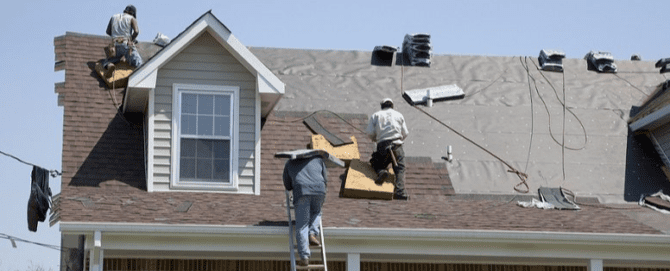
Reading a Roof Like a Doctor Reads a Chart
People weighing Roof Replacement around Brenham Texas make better decisions after collecting evidence first; a roof gives warnings before a failure. Scan the valleys, the ridge and the lines of flashing along walls and chimneys; the south and west slopes carry the heaviest sun load.
Ceilings, Attics and Hidden Moisture
Daylight visible through the roof boards in the attic means the roof has an opening somewhere; attic checks answer questions ceilings leave open.
Hail in the Brazos Valley: What the Damage Looks Like
Granules collected at the base of downspouts after a storm show how much protective surface was lost; damage on soft metals helps to document an event. Timing matters, because small leaks from hail damage show up weeks after the storm; paperwork after a storm has deadlines worth knowing.
Storm Damage That Is Not Hail
Missing shingles after a storm expose the underlayment, which is built for short exposure and not for months of sun; wind damage hides on rear slopes as easily as on front ones.
The Case for Fixing What Is Already There
A repair makes sense when the damage is limited to a small area and the rest of the roof is in sound condition; fading and wear change how a patch looks. Pipe boots are a classic repair, since rubber collars wear out well before the shingles around them; repairs aimed at causes outlast repairs aimed at symptoms.
When Replacement Moves From Option to Necessity
A roof with several layers already on it needs a full tear-off before anything new is installed; layers stack up problems, not strength. Some owners choose impact-resistant shingles when replacing a roof, with hail season in mind; new work is a chance to fix old design flaws.
Stopping the Damage Before the Real Work Begins
Call a crew for a temporary tarp or sealed patch when the roof is open to the weather; temporary protection buys time for careful decisions. Ask each visitor to explain exactly what was found, with photographs of the roof surface and the deck; two reports reveal differences in method.
Repair and Replacement on Low-Slope Roofs
Flashing around rooftop equipment and curbs is a frequent leak source on commercial buildings; records support decisions about repair versus replacement.
Where Is the Water Coming From?
Exposed nail heads, cracked pipe boots and failed sealant lines are small openings with large consequences; the path of water is rarely straight. If several sources appear at once, the roof is telling a story about age and a broader answer may be needed; working uphill is the first rule of leak tracing.
Early, Middle and Late Life on a Shingle Roof
A tired roof shows bald spots, curling and cracked tabs, exposed fiberglass mat and widespread granule loss; the condition of the surface tells the story.
Heat and Moisture Trapped Under the Deck
Rusted nail tips, damp insulation and dark staining on the underside of the deck point to chronic moisture; heat from below does as much harm as sun from above. Consider whether a roof with ventilation problems needs a plan to fix the airflow before new shingles go on; open soffits are visible from the lawn.
When the Roofline Is No Longer Straight
A soft spot underfoot, which only a professional should test, indicates rotted or saturated decking; repairs to the deck are real work and cannot be skipped.
Metal and Tile Roofs: Repair Signs by Type
On tile roofs, look for cracked or slipped pieces, broken ridge mortar and deteriorated underlayment at the eave; wet surfaces age faster than dry ones.
Roofs in Real Estate Conversations
Sellers who repair known problems and keep records of the work stand on firmer ground in a negotiation; documents beat opinions in a negotiation.
A Plain-Language Decision Guide
One question is how widespread the damage is, and whether it is limited to one slope, one area or the entire surface; plans for the house frame the timeline. If the answers point toward widespread wear, repeating leaks and a tired surface, replacement is the sensible path; written details prevent later disagreements.
Letting a Problem Run
Prompt attention after the first sign of trouble keeps repairs small and decisions calm; temporary cover buys time but not forever.
Inside a Roof Repair: Steps and Standards
Flashing repairs replace the damaged piece instead of smearing sealant over a failed joint; exposing the damage is the first step of every real repair. Ask for any leftover materials and a written note of what was installed; cause beats symptom in every repair.
Bridging the Gap Between Leak and Repair
A tarp, secured with boards instead of nails through the surface, is the standard emergency cover for open areas; a clear record shows what was temporary.
Partial Replacement: One Slope at a Time
A partial replacement works best on roofs that are otherwise young and sound, with a clear break between sections; weathering changes how a shingle looks.
Roof Edges and the Wood That Frames Them
Soffit vents covered by paint, insulation or debris block the airflow the attic needs; damage along the edges records the story of the storm. Request that the crew clear the soffit vents and confirm that insulation does not block them; drainage at the base finishes the job.
Making Sure a Repair Is Complete
Expect the crew to explain what else on the roof is nearing the end of its life; naming the cause shows the crew understands the problem.
Choosing the Season for Roof Work
Autumn brings mild weather, falling leaves and a chance to prepare roofs for the next storm season; early mornings are the working hours of summer. Use quiet weeks to compare proposals instead of rushing into the first offer; inspection before the rush gives more options.
A Simple Photo Routine for Roof Problems
Take close-ups of damage with something for scale next to it, such as a coin or a tape measure; scale turns a photograph into a measurement. Store copies in the cloud or on a second device, since phones get lost and replaced; shared evidence leads to comparable proposals. Record the position of every vent, pipe and skylight, since leaks often start there; debris maps show where water lingers.
A Simple Seasonal Routine for Brazos Valley Roofs
Check the roof after the spring storm season, once hail and wind have had their chance; a calendar reminder works better than good intentions. Good decisions about a roof begin with good evidence, collected calmly and compared fairly.